The evolution of gambling tracing the roots of casino culture through history
The Origins of Gambling
The practice of gambling can be traced back to ancient civilizations, where games of chance were prevalent in various forms. Archaeological findings suggest that as early as 3000 BC, people were engaging in simple betting activities, often using rudimentary objects like sticks or stones as gaming pieces. These early forms of gambling were typically associated with social gatherings and religious ceremonies, reflecting the cultural significance of chance and fortune in human society. Today, many people enjoy online slots as a modern interpretation of these age-old games.

In ancient China, records of gambling date back to around 2000 BC, where games were played using tiles. Similarly, in Mesopotamia, people engaged in betting through a variety of games that eventually evolved into what we recognize today. These early gambling activities laid the foundation for future casino culture, establishing a social context where risk and reward intertwined with leisure and entertainment.
The Rise of Organized Gambling
As societies evolved, so did the structure of gambling. The Roman Empire played a pivotal role in formalizing gambling through the establishment of public games and betting systems. These organized activities were not merely for entertainment; they also served as a means for the government to collect taxes. The Romans popularized various games, including dice games and betting on gladiatorial contests, which contributed to a burgeoning gambling culture.
Following the fall of Rome, gambling faced periods of prohibition and regulation, particularly in medieval Europe. However, it never completely vanished. The introduction of gambling houses in the 16th century marked a significant shift, as these establishments began to offer structured environments for betting. This transition set the stage for the modern casino, blending the allure of risk with the sophistication of a social venue.
The Evolution of Casino Architecture
The architectural design of casinos has transformed dramatically over centuries, reflecting societal values and technological advancements. Initially, gambling occurred in private settings or makeshift venues. However, as the demand for a more elaborate gambling experience grew, dedicated buildings began to emerge. In the 17th century, the first formal casinos opened in Italy, providing a luxurious atmosphere that combined gambling with social interaction.
Throughout the 19th and 20th centuries, casino architecture evolved further, incorporating opulent designs and sophisticated amenities. Grand casinos such as the Monte Carlo Casino showcased extravagant decor and advanced gaming technologies, attracting affluent patrons. This architectural evolution not only created iconic landmarks but also enhanced the overall gambling experience, making casinos central to leisure and tourism in many regions.
The Impact of Technology on Gambling
The late 20th century heralded significant changes in the gambling landscape, largely due to technological advancements. The introduction of electronic gaming machines revolutionized the industry, offering players an engaging alternative to traditional table games. Video poker and slot machines quickly gained popularity, leading to a rapid expansion of casino offerings and a broader demographic of players.
The rise of the internet in the 1990s further transformed the gambling scene, paving the way for online casinos. This digital shift not only made gambling more accessible but also diversified the range of games available. With the click of a button, players could engage in various games from the comfort of their homes, prompting traditional casinos to adapt and integrate digital experiences into their offerings.
Understanding Modern Casino Culture
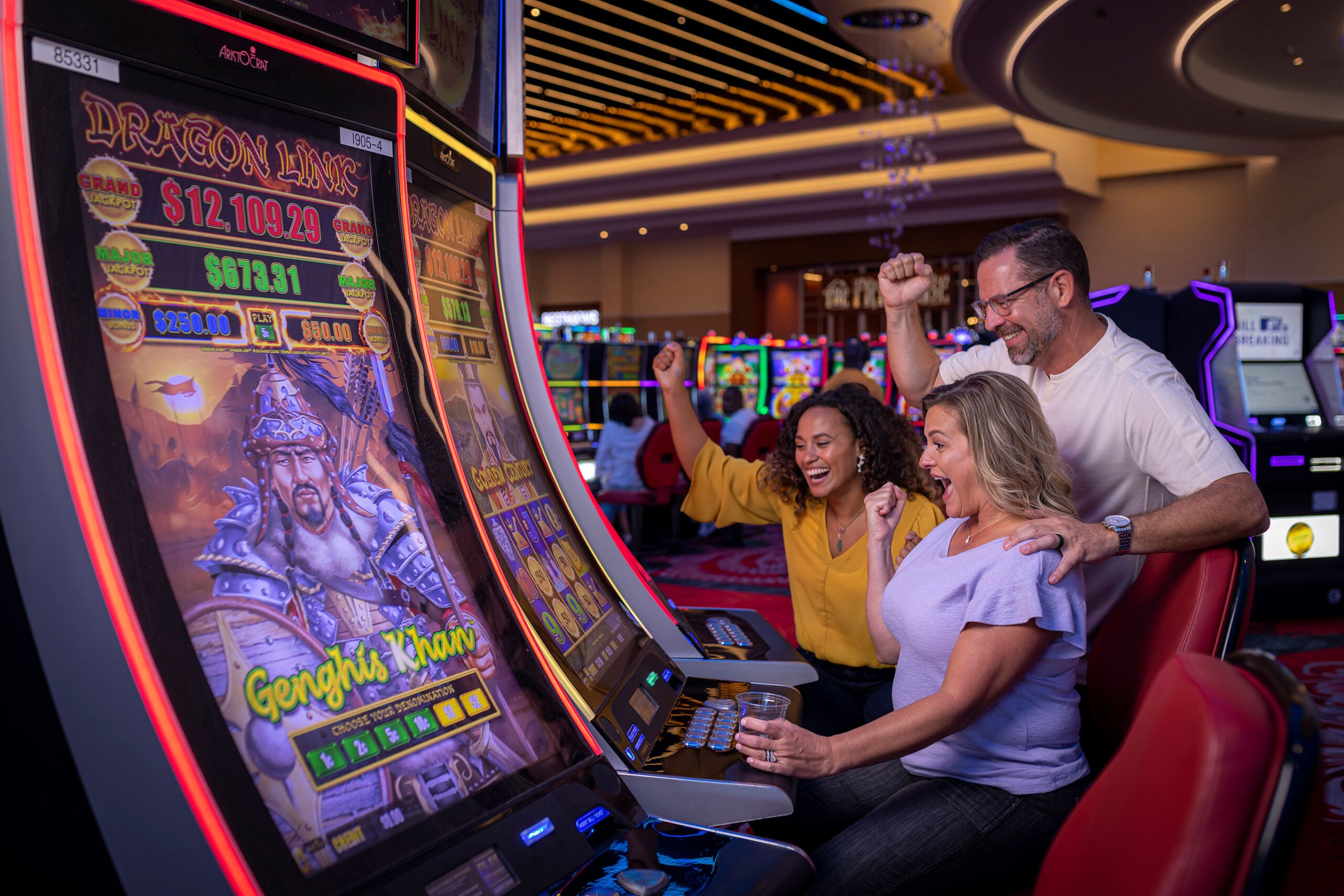
Today, casino culture embodies a blend of tradition and modernity, characterized by the vibrant interplay of entertainment, gaming, and hospitality. Casinos have become multifaceted resorts, often featuring hotels, restaurants, and entertainment venues. This holistic approach has transformed casinos into significant tourist attractions, catering to a diverse audience seeking both thrills and leisure.
While gambling remains at the core, the modern casino experience extends beyond gaming. The emphasis on customer service, themed environments, and entertainment options reflects the evolving preferences of players. This cultural shift continues to shape the future of gambling, ensuring that casinos remain relevant in an ever-changing landscape.