Another name often given to DDoS-as-a-Service systems is “booters”. So, when you look for an IP stress tester, you could easily be dealing with hackers. A group of infected computers looking for the same command is called a “botnet”. This small program checks periodically at a website for the availability of instructions.
How DDoS Booters and IP Stressers Work
This way you will have unlimited access to the servers with maximum power and no time or boot limits. Volumetric ddosnow attacks are easy to generate by employing simple amplification techniques, so these are the most common forms of attack. However (if our system cannot overcome specific mitigation layers or deliver the promised load), we provide a Full Refund. In order to monitor the activity status and detailed information about the load test — go to the control panel Upgrade to VIP for unlimited ddos stresser methods and maximum throughput.
How can botnet attacks be mitigated?
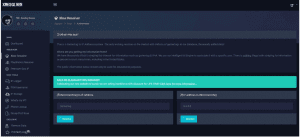
Booter services hide these capabilities behind simple web panels. In a nutshell, IP stressers exploit vulnerabilities in network protocols and security measures to launch coordinated attacks on specific targets. The aim is to check the ability of the network to withstand the large influx of data traffic.
- To evaluate the strength and functionality of their systems, legal users like corporations and developers utilize them.
- Additionally (the VMware tool monitors your virtual machines), ensuring parameters such as CPU load, RAM usage, and bandwidth consumption are kept in check.
- There are several common Denial-of-Service (DoS) attack types that attackers often use to consume server resources and make systems unresponsive.
- The LoadRunner system is open for nothing in a limited transformation.
- A frequently encountered user category consists of “script kiddies,” who are individuals with minimal technical expertise that employ pre-built tools for executing cyberattacks.
What is an IP Stresser or IP Booter?
An IP stresser loads a web server with virtual traffic, which mimics real user traffic, to find out how much traffic it can handle for a specific domain (website) and how well it performs under that traffic load. The resources available to a website to handle requests and the server specifications determine how much traffic it can handle. Yes, you can use an IP stresser to test your own network, provided you have authorization and control over the network.
Stresse.net serves as another professional IP stresser that allows for effective stress testing of your systems or conducting attacks against websites — databases, and servers.
Customer feedback regarding our stresser platform and executing attacks using ipstress.st. This is the beginning of stories like “I was merely testing” — always verify DNS and PTR before initiating any actions. Users often express frustration that we do not provide OVH-specific vectors for free when comparing us to paid booter services. Prior to initiating any actions, ensure to review the Knowledge Base for slot regulations and verify the System Status to avoid troubleshooting a non-functional captcha tier. Save this link if you are conducting repeated lab tests, we occasionally adjust panel limits and upstream APIs.
Digital Vandalism
Instead of testing their systems (some individuals use IP stressers to launch DDoS attacks against websites), businesses, or individuals. An IP Stresser is a tool created to help test how well servers or networks can handle heavy traffic. When he’s not writing (he enjoys studying history), playing Dungeons and Dragons with friends, and staying up-to-date on modern cybersecurity trends. With years of experience covering VPNs (cybersecurity developments), and digital safety, he delivers well-researched, accessible content to help readers protect themselves online.
Because attackers assume you don’t have the budget or skills to stop them. If you’re using a stresser to test someone else’s network (or you didn’t get formal approval), it’s illegal in most jurisdictions. These tools don’t require technical skills to operate.