Understanding High-Stakes Gambling
High-stakes gambling refers to games that involve significant monetary risks and rewards. For beginners, the allure of potentially winning substantial amounts of money can be irresistible; however, it’s crucial to recognize the inherent risks. Unlike lower-stakes games that accommodate a broader range of players, high-stakes environments generally attract seasoned gamblers who are well-versed in strategies and risk management, often leading them to explore options like online casino new zealand that cater to their experience. This creates a challenging atmosphere for newcomers.
To effectively navigate high-stakes gambling, beginners must educate themselves on the rules and strategies of the games they wish to play. For example, poker and blackjack are popular high-stakes games, each requiring a distinct approach. Familiarizing oneself with these strategies can level the playing field. Additionally, understanding betting structures and game variations can enhance one’s ability to make informed decisions.
Another crucial aspect of high-stakes gambling is bankroll management. This refers to the strategy employed to manage one’s finances while gambling. Beginners should establish a budget that reflects their comfort level and stick to it rigorously. This not only helps in preventing significant financial loss but also fosters a more enjoyable gambling experience. By maintaining discipline, newcomers can navigate the ups and downs of gambling without facing overwhelming stress.
Common Games in High-Stakes Gambling
High-stakes gambling encompasses a variety of games, each with unique rules and strategies. Poker is arguably the most recognized high-stakes game, where players compete against each other rather than the house. Variants like Texas Hold’em and Omaha are frequently featured in high-stakes tournaments. Understanding the nuances of these games is essential for success, as strategies may shift dramatically based on the specific variant being played.
Another popular game in high-stakes gambling is blackjack. In this game, players aim to beat the dealer by getting a hand total as close to 21 as possible without exceeding it. Unlike poker, blackjack combines elements of chance and strategy, as players must evaluate their hands and make decisions based on card probabilities. Mastering basic strategies, such as when to hit or stand, is vital for beginners aiming to compete in high-stakes settings.
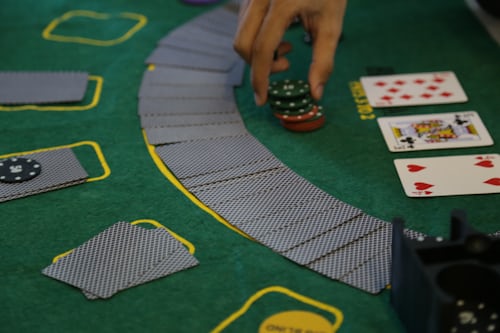
Craps and baccarat are also prevalent in high-stakes gambling. Craps, which involves rolling dice, can be intimidating at first due to its fast-paced nature and multitude of betting options. However, it offers significant opportunities for profit with the right knowledge. Baccarat, on the other hand, is often seen as a game for the elite, featuring straightforward rules and a low house edge. Understanding these games will enhance a beginner’s overall experience and improve their chances of success.
Psychological Aspects of High-Stakes Gambling
The psychological landscape of high-stakes gambling is complex and can greatly influence a player’s performance and decision-making. Fear and excitement often compete in a player’s mind, especially when significant amounts of money are at stake. Beginners must learn to manage their emotions effectively, as anxiety or overconfidence can lead to poor choices. Techniques such as deep breathing and mindfulness can help players maintain focus and composure during intense moments.
Additionally, understanding the concept of “tilt” — a state of emotional frustration that leads to reckless decision-making — is crucial for any gambler. Beginners may find themselves on tilt after a series of losses, prompting them to gamble more aggressively. Recognizing the signs of tilt and having strategies to counteract it can prevent substantial financial loss and promote a healthier gambling experience.
Lastly, developing a solid mindset is essential in high-stakes gambling. This involves not only maintaining a positive attitude but also setting realistic expectations. Gambler’s fallacy, the belief that past outcomes can influence future results, can be detrimental. Beginners should remember that each game round is independent and approach their gaming sessions with a level-headed perspective. This mental clarity can make a significant difference in their overall success.
Choosing the Right Venue for High-Stakes Gambling
To thrive in high-stakes gambling, selecting the right venue is as important as mastering the games themselves. Various casinos and online platforms offer different environments, which can greatly affect the gambling experience. For beginners, visiting a casino that hosts low-stakes tables alongside high-stakes options provides an opportunity to acclimate to the atmosphere while still engaging in competitive play. In-person venues often have a vibrant ambiance, rich with excitement and camaraderie.

On the contrary, online gambling platforms also cater to high-stakes players but in a more controlled and private environment. They provide comprehensive resources for players, including tutorials and strategy guides. Online platforms often feature lower operational costs, leading to potentially better odds for players. Beginners should explore various online casinos to find reliable options that offer high-stakes games without compromising legitimacy.
Furthermore, beginners should be aware of the regulations and licensing of their chosen venues. Understanding the jurisdiction in which the casino operates can help ensure a secure gaming environment. Seeing that reputable establishments are frequently audited can also provide peace of mind. By carefully selecting the venue, beginners can enhance their overall gambling experience and avoid pitfalls associated with unscrupulous operators.
Your Guide to Responsible Gambling
Responsible gambling plays a critical role in the enjoyment and success of high-stakes gambling. As a beginner, it’s essential to recognize the importance of setting limits and adhering to them. This includes establishing monetary limits and duration for gambling sessions. By sticking to these predetermined boundaries, players can protect themselves from potential financial hardship while still enjoying the thrill of high-stakes games.
Moreover, it is crucial to be aware of the signs of gambling addiction. Symptoms may include a preoccupation with gambling, chasing losses, or neglecting personal responsibilities. If a player begins to notice such signs, it’s vital to seek help or take a break. Numerous organizations offer support for individuals facing gambling difficulties, reinforcing the idea that seeking help is not a sign of weakness but a proactive step towards healthier habits.
Lastly, taking breaks between gambling sessions is essential in maintaining a balanced approach to high-stakes gambling. Regular intervals allow players to reassess their strategies, evaluate their emotions, and foster a clearer mindset for future gaming. By prioritizing well-being and responsible gambling practices, beginners can navigate the high-stakes world more effectively and enjoy a safer, more rewarding experience.