The evolution of gambling a historical journey through time
Ancient Beginnings of Gambling
The origins of gambling date back to ancient civilizations, where games of chance were often tied to religious practices and societal rituals. Archaeological findings suggest that dice were used as early as 3000 BC in Mesopotamia, while ancient Chinese culture also featured rudimentary gambling games that utilized tiles. These early forms of gambling were not merely for entertainment; they were embedded in the cultural fabric, often serving as a way to divine the future or appease deities. Today, many enthusiasts turn to top online casinos for a taste of these historical pursuits.

In ancient Rome, gambling was common among citizens, despite efforts by authorities to regulate or restrict it. The Roman Empire saw the rise of betting on gladiator games and chariot races, which reflected a broader societal acceptance of gambling as a legitimate pastime. This era set the stage for the evolution of gambling into a more structured and widely accepted form of entertainment in subsequent centuries.
The Middle Ages: Regulation and Innovation
The Middle Ages brought about significant changes in the landscape of gambling, as the Catholic Church sought to curtail the practice, viewing it as morally questionable. Despite these efforts, gaming houses and betting activities continued to thrive, particularly in Italy, where the first lotteries appeared. These lotteries were often used to raise funds for public projects, showcasing a blend of social utility and gambling.
The Birth of Casinos
The 17th and 18th centuries marked the establishment of the first casinos, most notably in Italy. The Casino di Venezia, opened in 1638, is often regarded as the world’s first official gambling house. These venues combined social interaction with gaming, becoming hotspots for the elite. As casinos began to spread across Europe, various games like roulette and baccarat were formalized, attracting a growing audience.
The Digital Revolution
The advent of the internet in the late 20th century marked another transformative phase in gambling history. Online casinos emerged in the mid-1990s, providing players with the convenience of gambling from the comfort of their homes. This technological advancement allowed for a wide array of games, including poker, slots, and sports betting, all accessible at the click of a button.
As the digital landscape evolved, so did the sophistication of gambling techniques and strategies. Players began utilizing data analytics, algorithms, and artificial intelligence to gain a competitive edge. This new era not only broadened the audience but also raised concerns regarding regulation, addiction, and the need for responsible gambling practices, prompting a re-evaluation of legal frameworks worldwide.
Modern Gambling and Future Trends
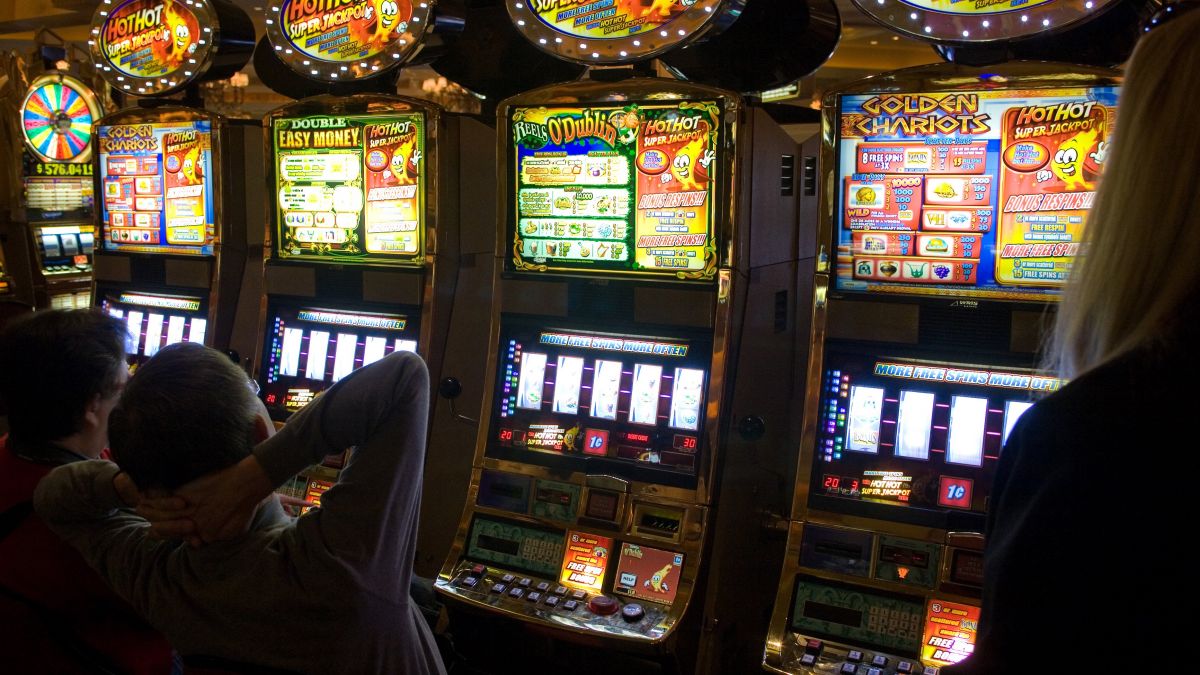
Today, gambling is a global phenomenon, with markets operating under a variety of regulations and cultural norms. The rise of mobile apps has further transformed the industry, allowing users to place bets anytime, anywhere. Esports and virtual reality are now emerging as new frontiers, appealing to a younger demographic that seeks innovative gaming experiences.
As gambling continues to evolve, issues of ethics, regulation, and social responsibility remain paramount. The industry faces the challenge of balancing innovation with the potential risks associated with gambling addiction and financial irresponsibility. Understanding the historical context of gambling can provide valuable insights into its present and future, shaping the discourse around responsible gaming practices.
“`